The power of talking about menopause at work
why conversations about menopause are changing australian workplaces for the better
If you graduated before 2005, you’ve probably noticed your social media feed brimming with content about perimenopause and menopause. What was once endured quietly as a stage of life has become a mainstream conversation, thanks to advocacy from a small group of tireless change-makers, including Penrhos College alumna, Grace Molloy (Class of 2000).

Why are we talking about menopause at work
Menopause has always existed but the way we experience it has changed. With people living and working longer, more Australians than ever are working through menopause. In fact, 81% of women will do so during their menopause transition and symptoms can’t be left at the door when we go into work.
Three in four will experience symptoms, and for one in four, those symptoms will be severe. Currently, more than 1.1 million people across Australia and New Zealand experience serious menopause symptoms that can affect their quality of life and ability to work.
Menopause is a natural biological transition that unfolds over many years, usually between the ages of 45 and 55. However, it can start earlier – triggered by surgery, illness or hormonal changes that begin in the perimenopause phase, when oestrogen levels fluctuate dramatically. These changes can begin as early as the late 30s or early 40s, bringing physical symptoms such as hot flushes, joint aches and fatigue, alongside psychological effects like anxiety, low mood and brain fog.
Today, 18% of the Australian workforce are women in the menopause age group. They are the fastest-growing workforce demographic, yet until recently, the subject of menopause was almost entirely absent from workplace conversations and policies.
The economic and workplace impact
In 2023, Grace was one of the advocates calling for a Senate Inquiry into menopause and perimenopause. The resulting inquiry confirmed what many women had long known: our health system and workplaces are ill-equipped to support people through this transition, and the cost is significant.
“We can’t leave our symptoms at the door,” Grace explained during her testimony. “We’re bringing them to work with us, whether our employers like it or not.”
When workplaces lack open dialogue or structured support, the ripple effect is measurable: reduced productivity, increased absenteeism, scaling back of hours, and women withdrawing from leadership pathways.
Research* shows menopause symptoms lead 14% of women to reduce their hours or go part-time, while 8% don’t seek promotions they might otherwise pursue. Around 73% report heightened stress or anxiety and 70% say they don’t feel comfortable talking about menopause at work.
*Research conducted by the Fawcett Society (2022) and Circle In (2023)
For many, silence means lost talent and for the economy, it means a real financial hit. Early retirement due to unmanaged symptoms has an estimated collective cost exceeding $112 billion in lost earnings, according to the Australian Institute of Superannuation Trustees. The Australian Superannuation Funds Association similarly estimates women forced into premature retirement due to menopause forgo an average of $60,000 in superannuation.
The movement for change
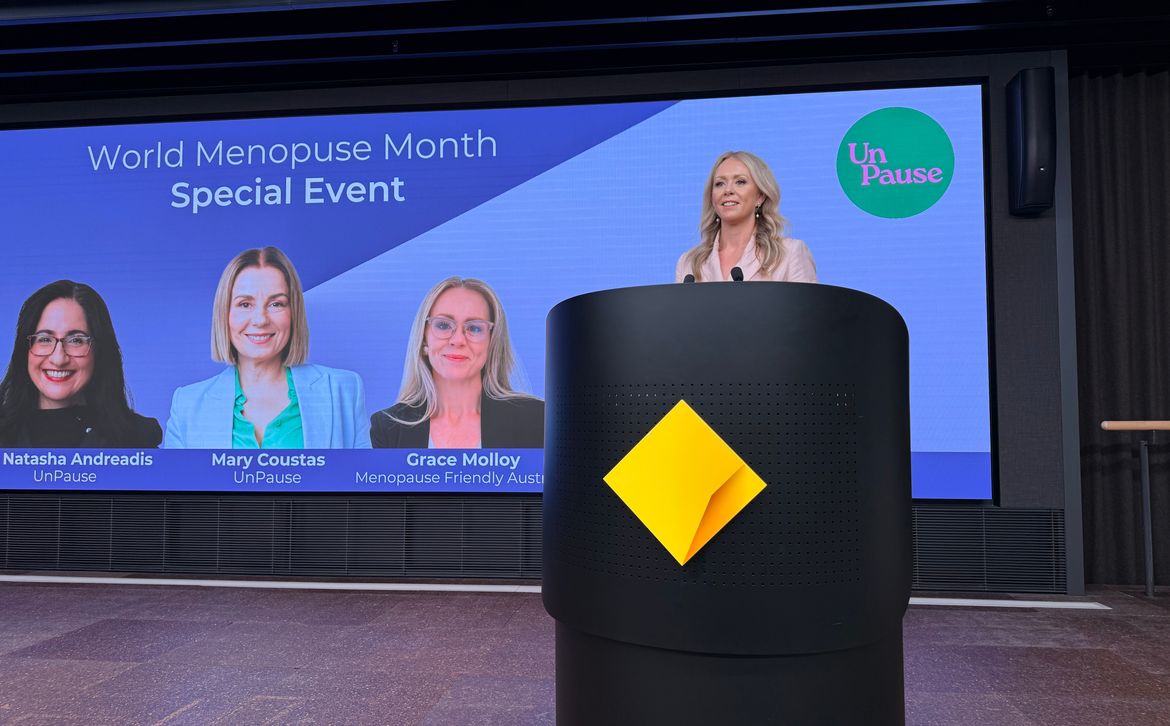
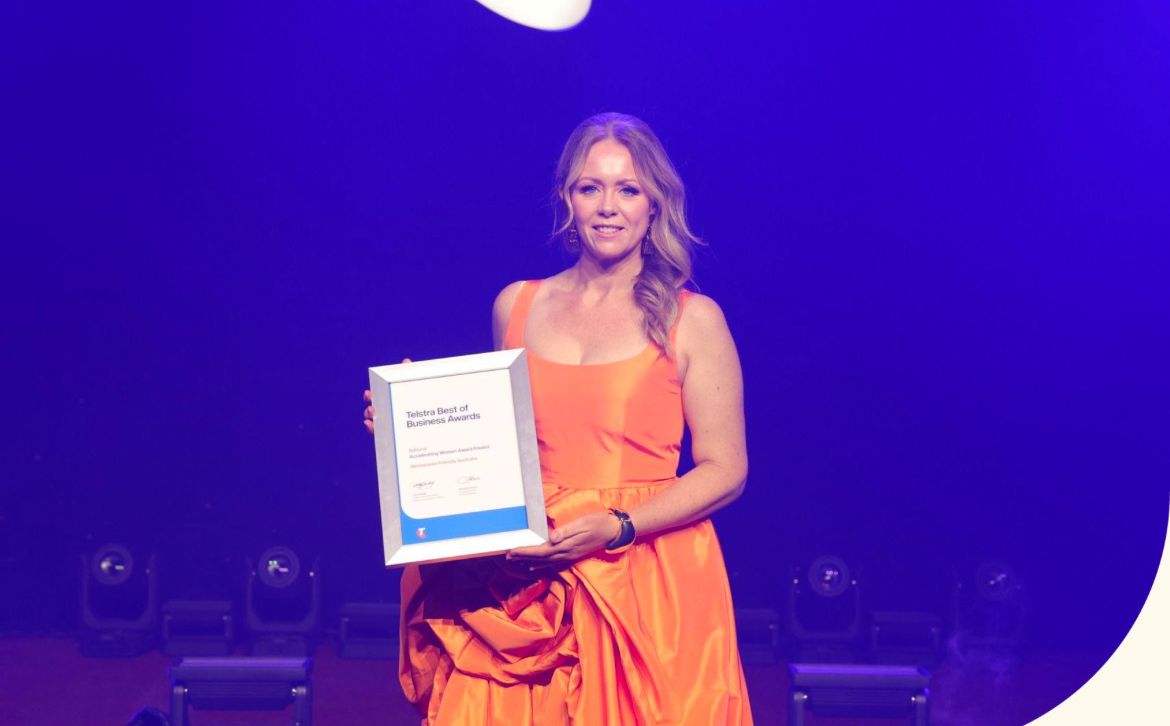
Determined to change the workplace landscape, Grace founded Menopause Friendly Australia in 2023. Her organisation supports employers to educate staff, develop policy and achieve national accreditation as a menopause-friendly workplace.
Grace said, “Menopause Friendly Australia exists so women don’t have to struggle in silence, it’s about equipping organisations to have informed conversations, implement small but meaningful changes, and retain incredible women in the workforce.”
Already, seven Australian organisations have achieved accreditation, including the Australian Institute of Management WA, AngloGold Ashanti Australia, St John WA, Deloitte, Australian Red Cross Lifeblood, Bristol Myers Squibb and Flinders University. More than 50 others are currently working towards accreditation.
Each accredited workplace commits to staff awareness initiatives, training for managers, inclusive language, and flexible policies that recognise menopause as a legitimate wellbeing factor, just as parental leave and mental health are today.
Policy momentum and national investment
Thanks to the growing advocacy network Grace helped mobilise, menopause support is now part of Australia’s mainstream health and workplace agenda.
In 2024, the Federal Government committed $573 million in funding to improve menopause and women’s health outcomes nationwide.
The package includes:
· Expanded education for health practitioners
· A national public awareness campaign
· Expansion of publicly funded women’s health clinics
· A new Medicare item for menopause health assessments
· Development of national clinical guidelines
· Dedicated funding for menopause research
“These commitments will help ensure women are seen, supported and valued through every stage of their working lives. When we continue to stand up and speak out, we not only improve health outcomes, but we shape better, fairer workplaces for everyone.”
The Dove x Menopause Friendly Australia survey:
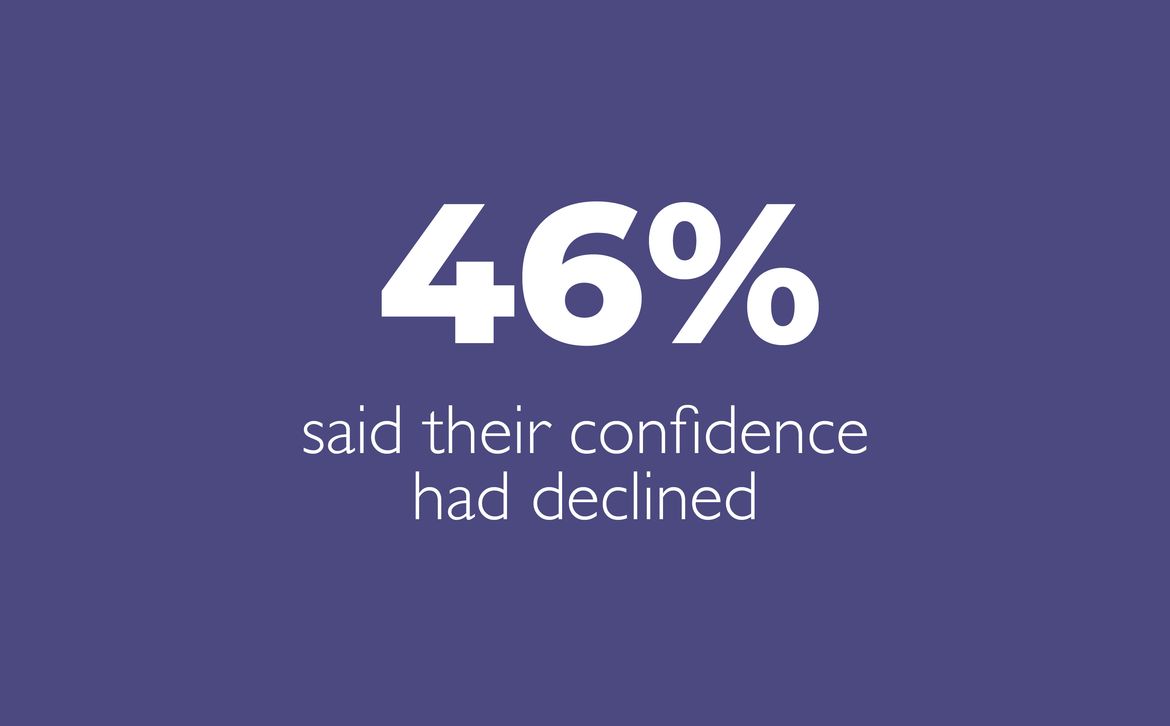
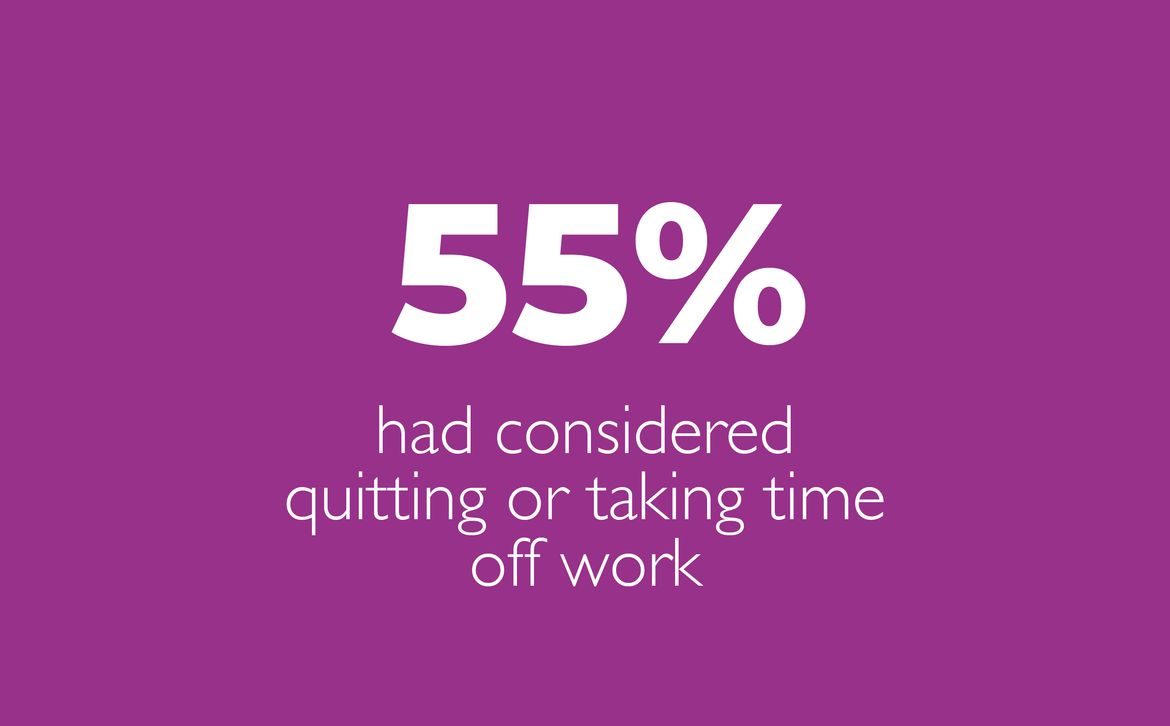
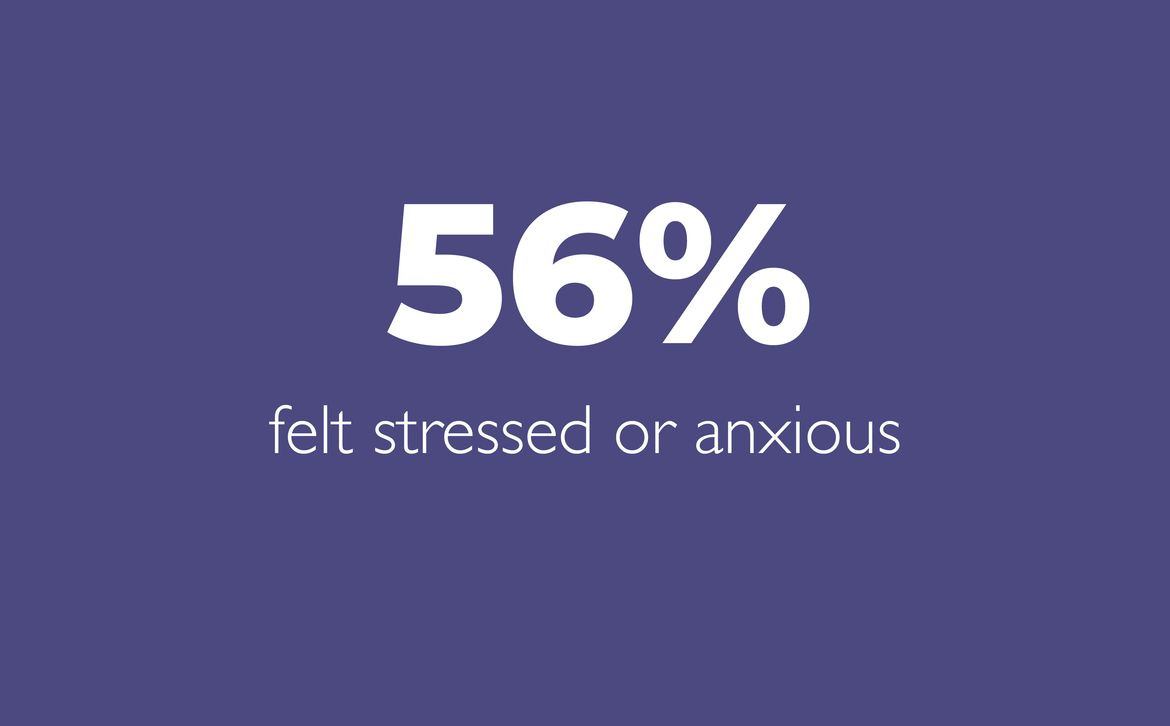
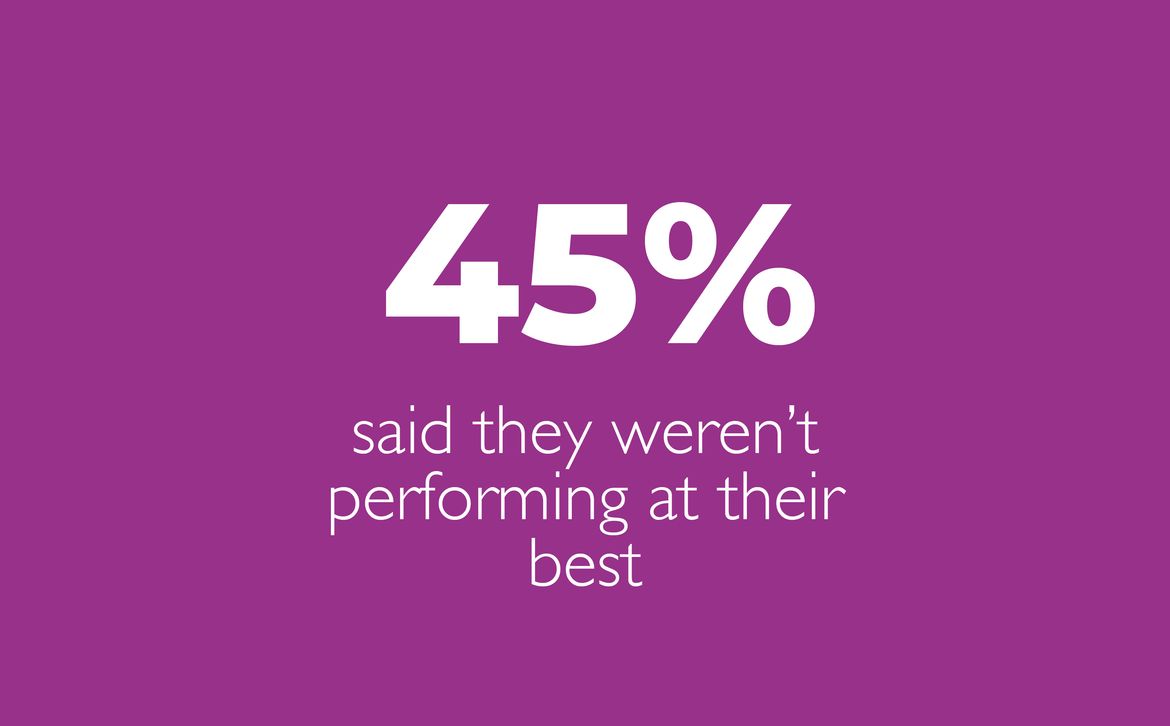
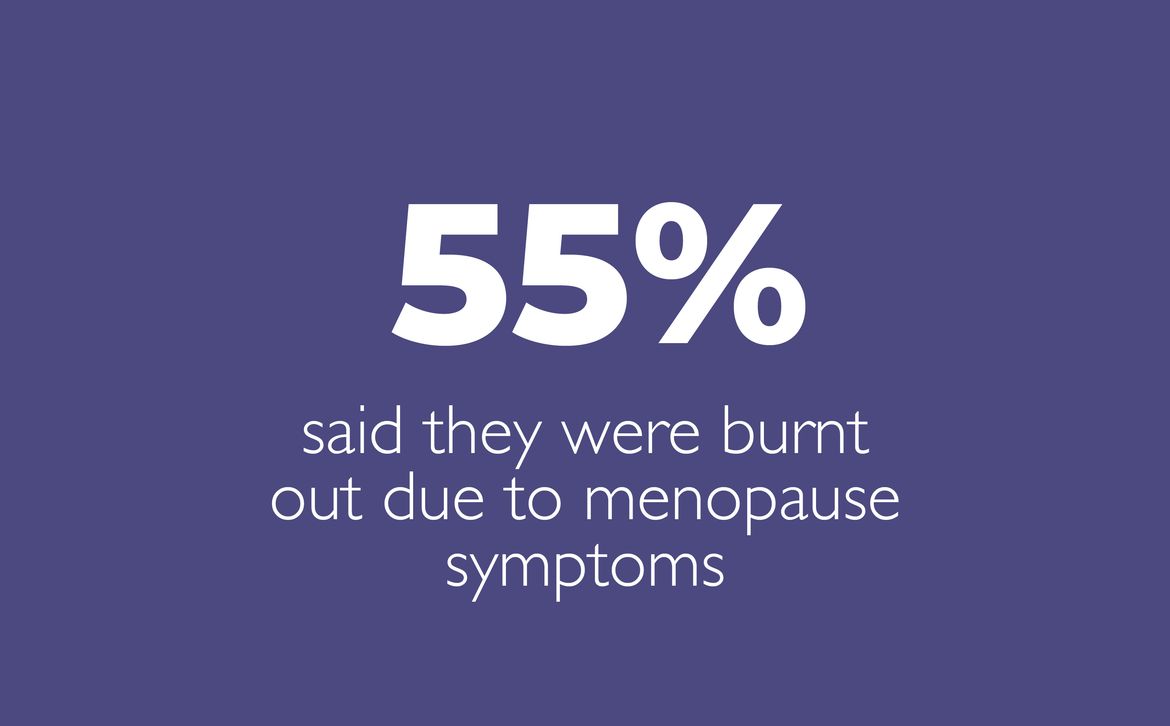
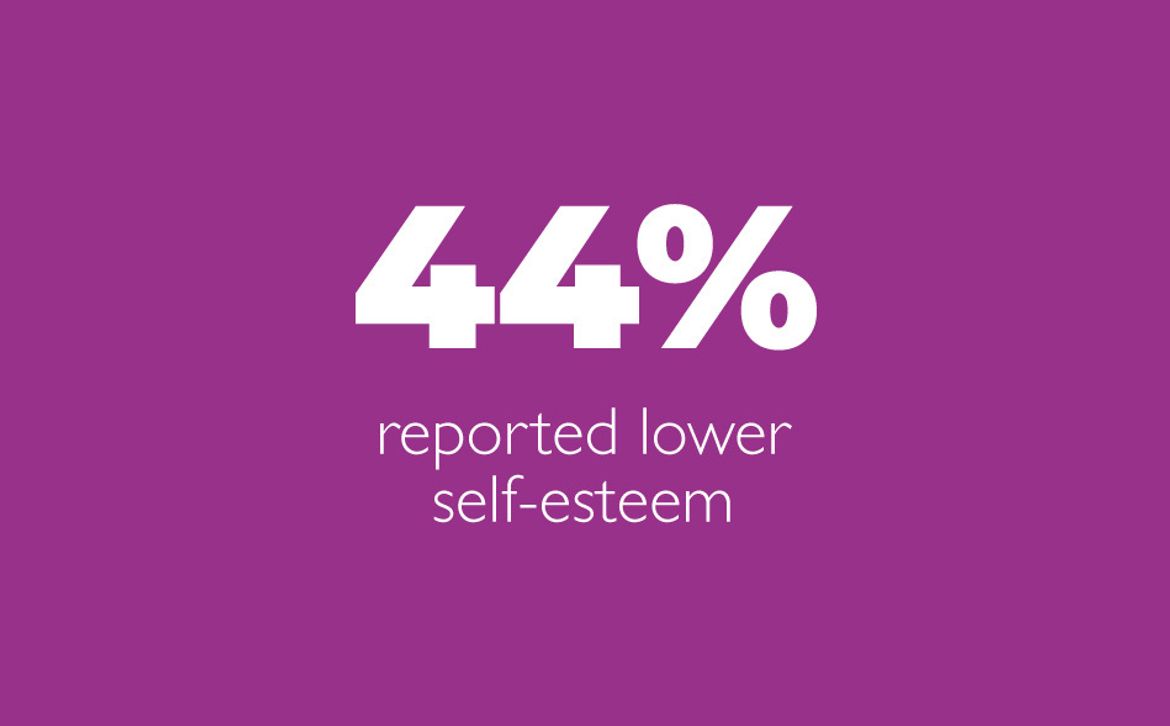
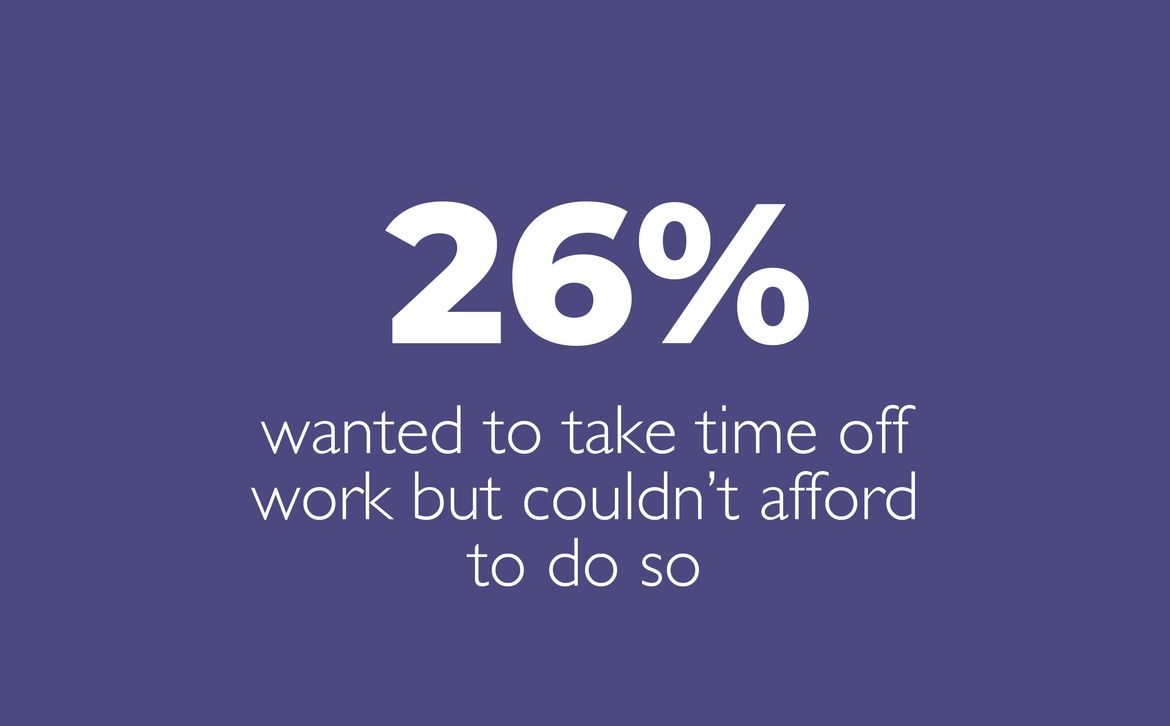
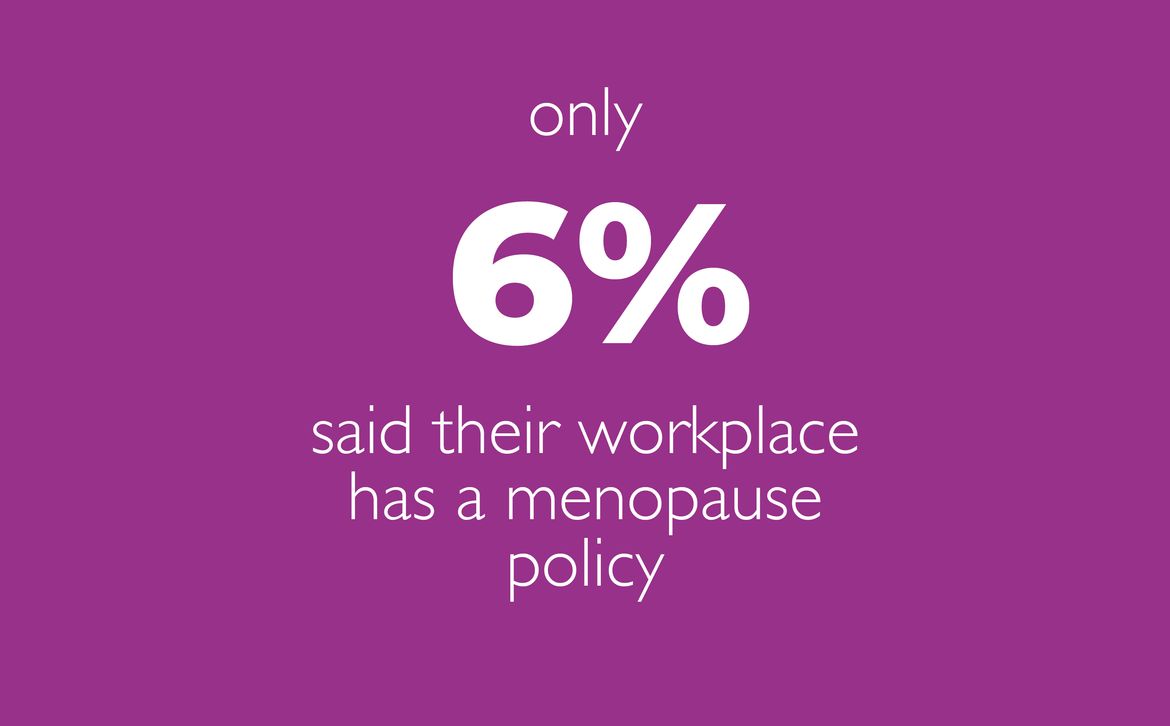
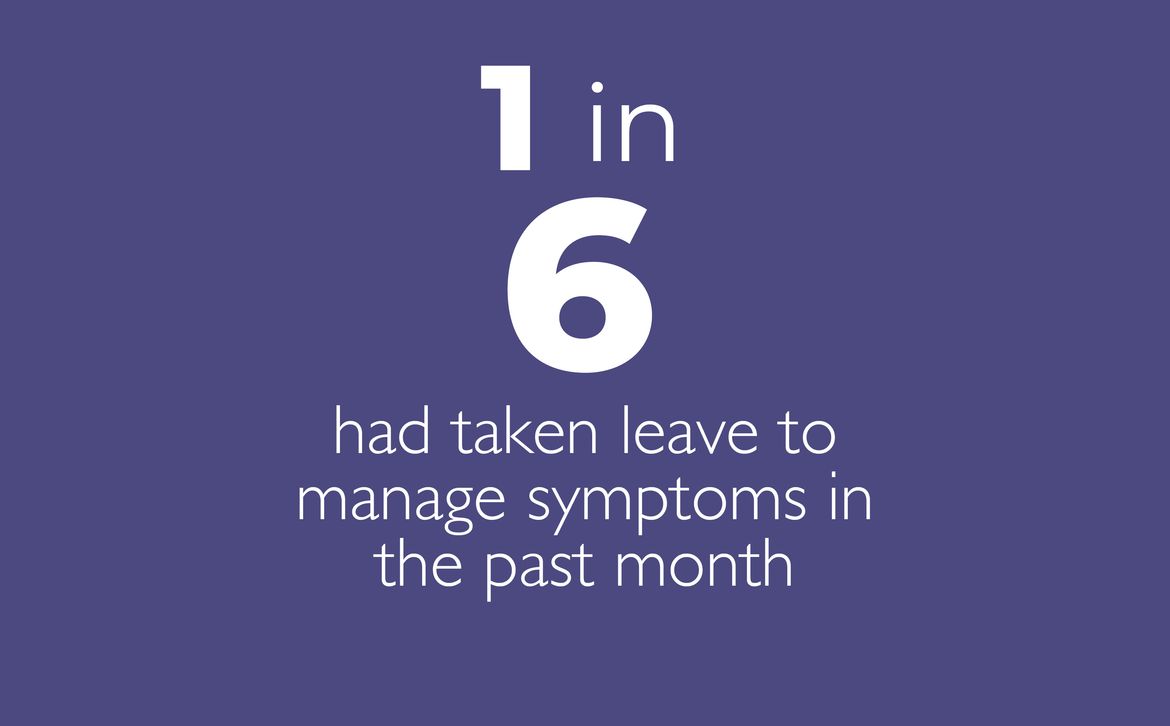
In 2024, Menopause Friendly Australia partnered with Dove to survey over 1,000 working women aged 35–60.
The results were eye-opening:
As one respondent put it:
“Women have been made to feel that once they are out of their child-bearing years, they are irrelevant. Being menopausal is still treated as a joke, to admit it feels like announcing you’re old and invisible.”
What you can do to help
If you want your workplace to be part of the solution, start the conversation. Menopause Friendly Australia provides free downloadable resources to help organisations begin their journey.
Visit www.menopausefriendly.au to learn more and join the growing movement for menopause inclusion.

